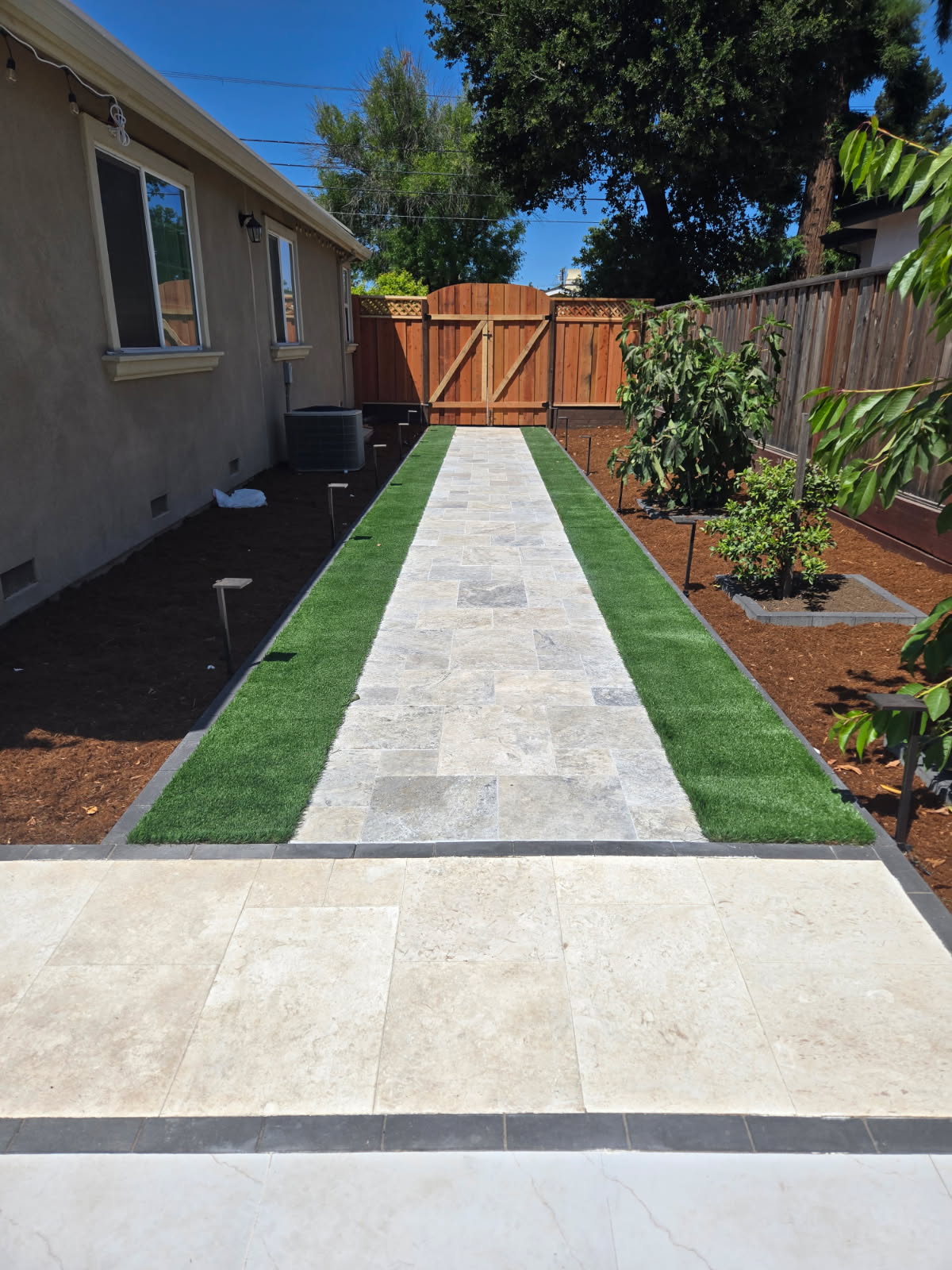
Creating a Sustainable Garden with Native Plants
In today's world, the importance of sustainable gardening practices cannot be overstated. One of the most effective ways to create an eco-friendly garden is by using native plants. Native plants are those that are indigenous to a specific region and have evolved to thrive in that area’s climate and soil conditions. This blog post will explore the benefits of using native plants in sustainable gardening, offer tips on how to implement them, and provide insights into designing a beautiful garden that is both environmentally friendly and low-maintenance.
Benefits of Using Native Plants
- Low Maintenance: Native plants are adapted to local conditions, requiring less water and fewer resources.
- Biodiversity: They support local wildlife, including pollinators like bees and butterflies.
- Soil Health: Their root systems improve soil structure and prevent erosion.
- Pest Resistance: Native plants are less susceptible to pests and diseases, reducing the need for chemical treatments.
- Aesthetic Appeal: They offer unique beauty and character that reflects the local ecosystem.
Choosing the Right Native Plants
Selecting the right native plants for your garden involves understanding your local climate, soil type, and the specific conditions of your garden. Here are some steps to help you choose the best native plants:
- Research Local Flora: Familiarize yourself with plants that naturally grow in your area.
- Consider Sunlight and Soil: Assess how much sunlight your garden receives and the type of soil present.
- Select a Variety: Choose a mix of perennials, annuals, shrubs, and trees to create a diverse ecosystem.
- Consult Local Resources: Utilize local gardening clubs, extension services, or native plant societies for guidance.
Designing Your Sustainable Garden
Designing a sustainable garden involves more than just choosing the right plants. Here are some key design principles to keep in mind:
- Layering: Incorporate plants of different heights to create visual interest and provide habitats for wildlife.
- Group Planting: Cluster plants in groups to mimic natural patterns and reduce water usage.
- Use Mulch: Apply organic mulch to conserve moisture, suppress weeds, and improve soil health.
- Create Wildlife Habitats: Include features such as birdhouses, bee hotels, and water sources to attract wildlife.
Maintenance of Native Plant Gardens
Once your sustainable garden is established, maintenance is essential to keep it thriving. Here are some maintenance tips:
- Water Wisely: Use drip irrigation or soaker hoses to minimize water waste.
- Weed Management: Regularly check for invasive species and remove them promptly.
- Pruning: Prune plants as needed to maintain shape and health.
- Seasonal Care: Prepare your garden for winter by cutting back perennials and adding protective mulch.
Conclusion
Creating a sustainable garden with native plants is a rewarding endeavor that benefits both the environment and the gardener. By choosing the right native plants, designing thoughtfully, and maintaining your garden effectively, you can cultivate a space that supports local wildlife and enhances your outdoor experience. Embrace the beauty and resilience of native plants, and join the movement towards more sustainable gardening practices.