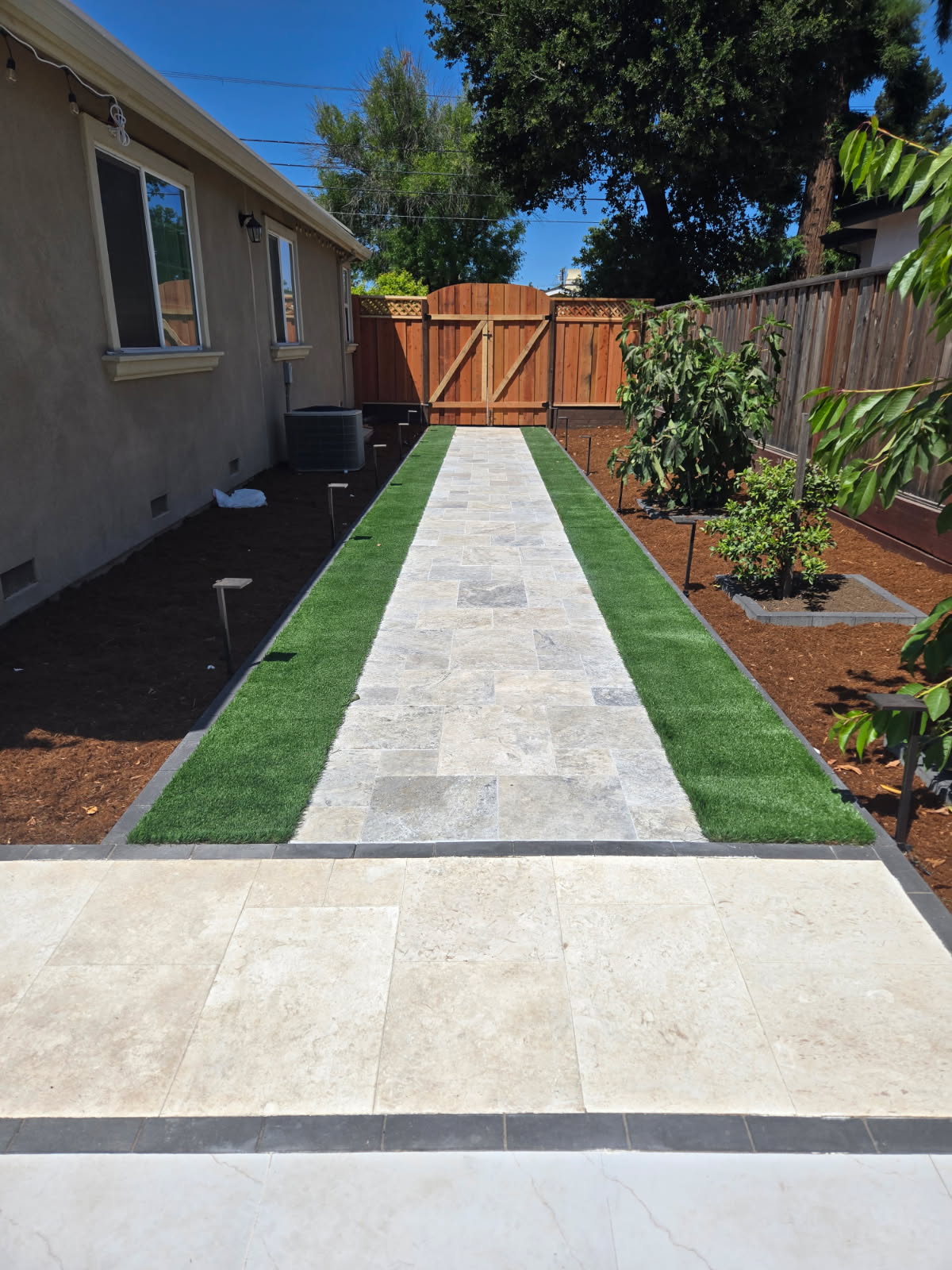
Choosing the Right Fence for Your Property
When it comes to enhancing the security and aesthetics of your property, choosing the right fence is crucial. With various materials, styles, and purposes available, selecting the right fence can seem overwhelming. This guide will help you navigate the options, ensuring you make an informed decision.
Understanding Your Fencing Needs
Before diving into the types of fences available, it's essential to assess your specific needs. Consider the following factors:
- Purpose of the fence (security, privacy, decoration)
- Local regulations and zoning laws
- Budget constraints
- Maintenance requirements
- Aesthetic preferences
Common Types of Fencing Materials
The material you choose for your fence will significantly affect its durability, maintenance, and appearance. Here are some common options:
- Wood: Offers a natural look but requires regular maintenance.
- Vinyl: Low maintenance and available in various colors and styles.
- Metal: Includes options like aluminum and wrought iron, known for durability and security.
- Chain Link: Cost-effective and functional, but less privacy.
- Composite: Made from recycled materials, combining durability with aesthetic appeal.
Choosing the Right Style
The style of your fence can impact not only the property’s curb appeal but also its functionality. Here are popular styles to consider:
- Privacy Fences: Tall and solid, ideal for blocking views.
- Picket Fences: Classic look, perfect for defining boundaries.
- Security Fences: Designed to deter intruders, often taller and made from sturdier materials.
- Garden Fences: Typically decorative, these fences enhance landscaping.
- Pool Fences: Safety-focused, securing pool areas from unsupervised access.
Factors Affecting Fence Installation
Installing a fence involves several factors that can influence the overall project. Here are key considerations:
- Property lines: Ensure the fence is within your property boundaries.
- Soil conditions: Some materials require additional support based on soil type.
- Weather conditions: Areas with high winds may need sturdier fencing.
- Permits: Check local regulations to determine if you need a permit for installation.
DIY vs. Professional Installation
Deciding whether to install the fence yourself or hire professionals can significantly impact the project. Here are some points to consider:
- DIY: Cost-effective but requires skill and time.
- Professional: More expensive but ensures quality and compliance with regulations.
Maintaining Your Fence
Once your fence is installed, proper maintenance is crucial to prolong its lifespan. Here are maintenance tips based on material:
- Wood: Regular staining and sealing to prevent rot.
- Vinyl: Simple cleaning with soap and water.
- Metal: Inspect for rust and apply protective coatings as needed.
- Chain Link: Check for sagging and tighten as necessary.
- Composite: Minimal maintenance, occasional cleaning.
Conclusion
Choosing the right fence for your property is an important decision that can affect security, privacy, and aesthetics. By understanding your needs, exploring material options, and considering installation methods, you can find the perfect fencing solution. If you have any questions or need professional assistance, don’t hesitate to contact Donis Construction for expert advice and quality installation.